
Company
CYGNUS GS100 Sequencing Supports Complementary Pathogen Detection in Suspected TBM
November 23 2026
Tuberculous meningitis (TBM) is a severe central nervous system infection. Its clinical presentation can overlap with that of other forms of meningitis, making the causative pathogen difficult to identify.
Multiplex PCR can test for multiple predefined pathogens in parallel, while metagenomic next-generation sequencing (mNGS) can identify microbial sequences without relying on a fixed pathogen panel. A study in the Journal of Clinical Microbiology evaluated both approaches in cerebrospinal fluid (CSF) samples and assessed a multiplex PCR assay in a prospective clinical cohort.
Researchers from the Engineering Research Centre of Molecular Diagnostics of the Ministry of Education at Xiamen University and collaborating institutions reported the study, titled “Etiologic diagnosis of suspected tuberculous meningitis by multiplex PCR of cerebrospinal fluid.”
The team evaluated MeltArray CNS, a multiplex PCR assay targeting 85 pathogens associated with central nervous system infections. The assay was compared with mNGS in 79 CSF samples and prospectively evaluated in 255 patients with suspected meningitis.
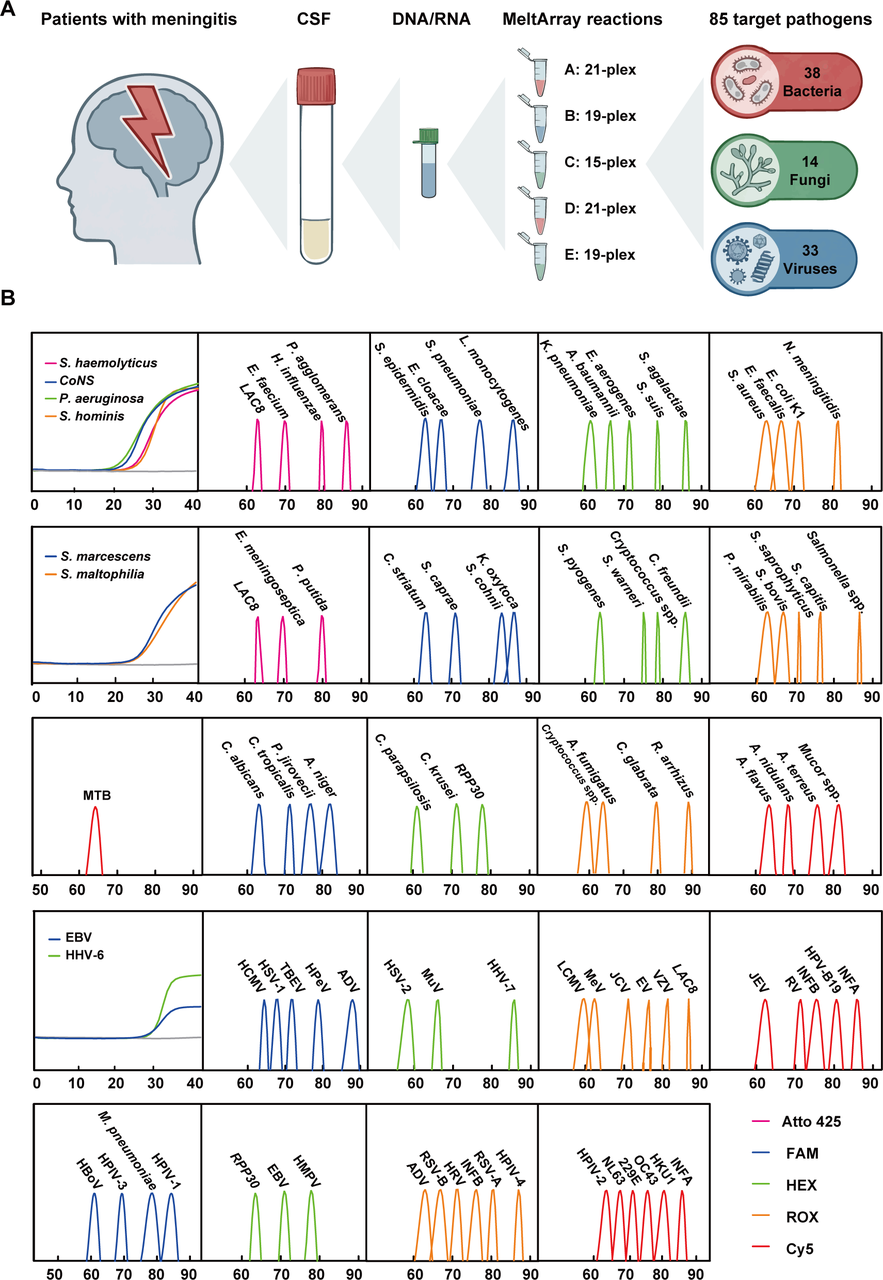
Figure 1. Pathogen coverage and detection strategy of the MeltArray CNS assay.
Study Overview:
- Prospective cohort. Of 255 patients with suspected meningitis, 218 were classified as having meningitis and 37 as non-meningitis mimics. The 218 cases included 39 non-TBM cases and 179 suspected TBM cases: 95 possible, 49 probable, and 35 definite TBM.
- Assay design. MeltArray CNS targets 85 pathogens—38 bacteria, 14 fungi, and 33 viruses—across five multiplex PCR reactions.
- Method comparison. MeltArray CNS and in-house mNGS were tested in parallel on CSF samples from 79 patients. Discordant findings were resolved by Sanger sequencing.
- Sequencing workflow. For the mNGS comparison, DNA libraries were sequenced on the CYGNUS GS100 using a single-end 75 bp (SE75) strategy.
- Turnaround time. The full MeltArray workflow, from nucleic acid extraction through the assay reaction, took approximately 2.5 hours for 1–18 samples processed on a 96-well Slan system.
Key Findings
01 Distinct detection profiles in the mNGS comparison
Among the 79 CSF samples tested by both methods, complete concordance was observed in 49 (62.03%). MeltArray detected 36 additional pathogens missed by mNGS: 22 viruses, 9 MTB detections, 3 fungi, and 2 non-MTB bacteria. All discordant results were confirmed by Sanger sequencing. Conversely, mNGS uniquely detected 3 viruses outside the MeltArray panel—HIV-1 in two cases and HHV-8 in one. Within its targeted range, MeltArray yielded more confirmed detections than the in-house mNGS workflow.
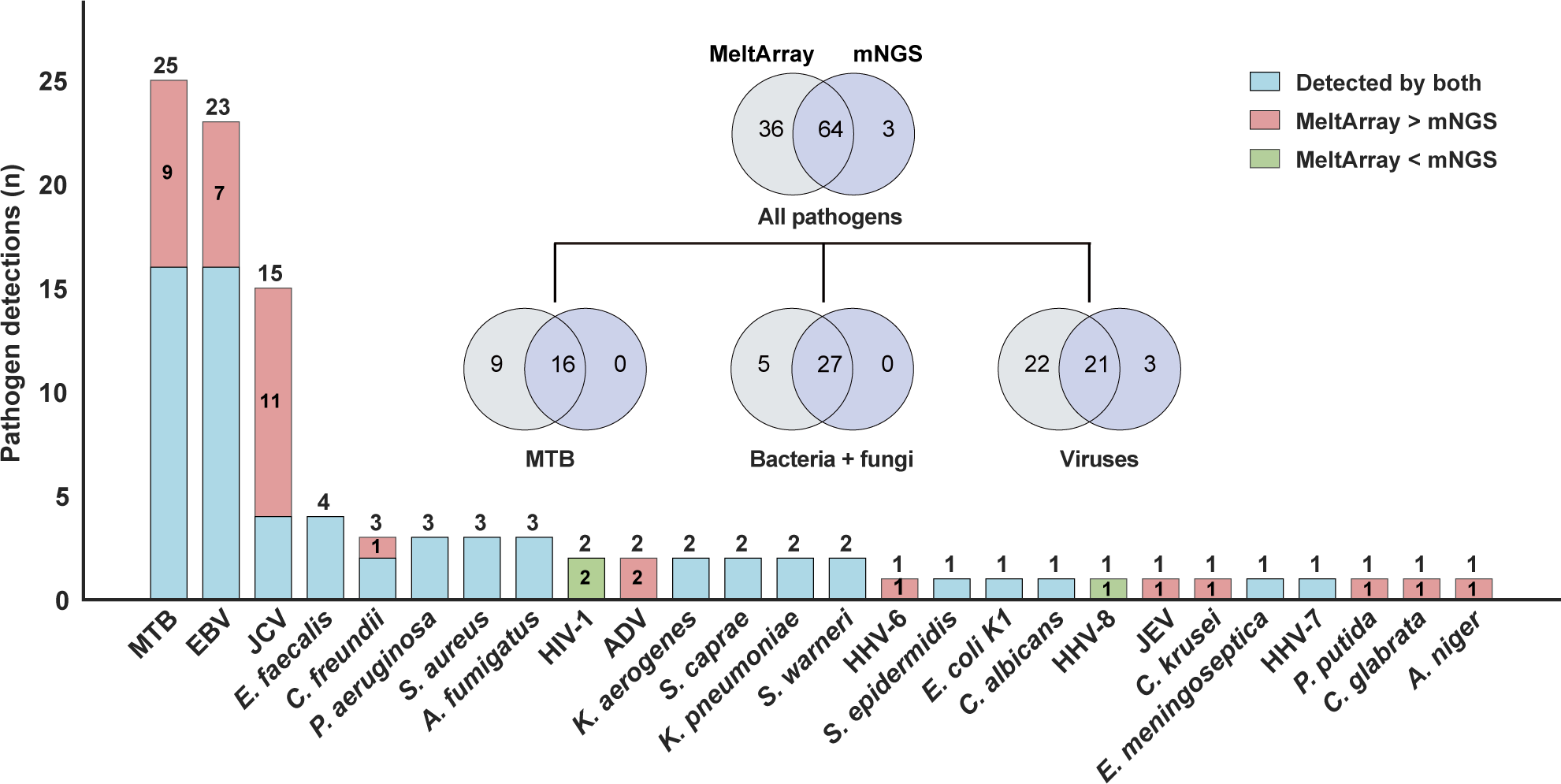
Figure 2. Concordance and discordance between MeltArray CNS and mNGS in 79 CSF samples.
02 MTB detection across clinical groups
In the 35 patients classified as having definite TBM, MeltArray detected MTB in all 35, for a sensitivity of 100% (95% CI, 90.11–100.00%). In the combined definite and probable TBM group, sensitivity was 50.00% (42/84). MTB specificity among patients with non-TBM meningitis was 100% (39/39; 95% CI, 89.32–100.00%). These are cohort-specific estimates and should be interpreted within the study’s clinical classification framework.
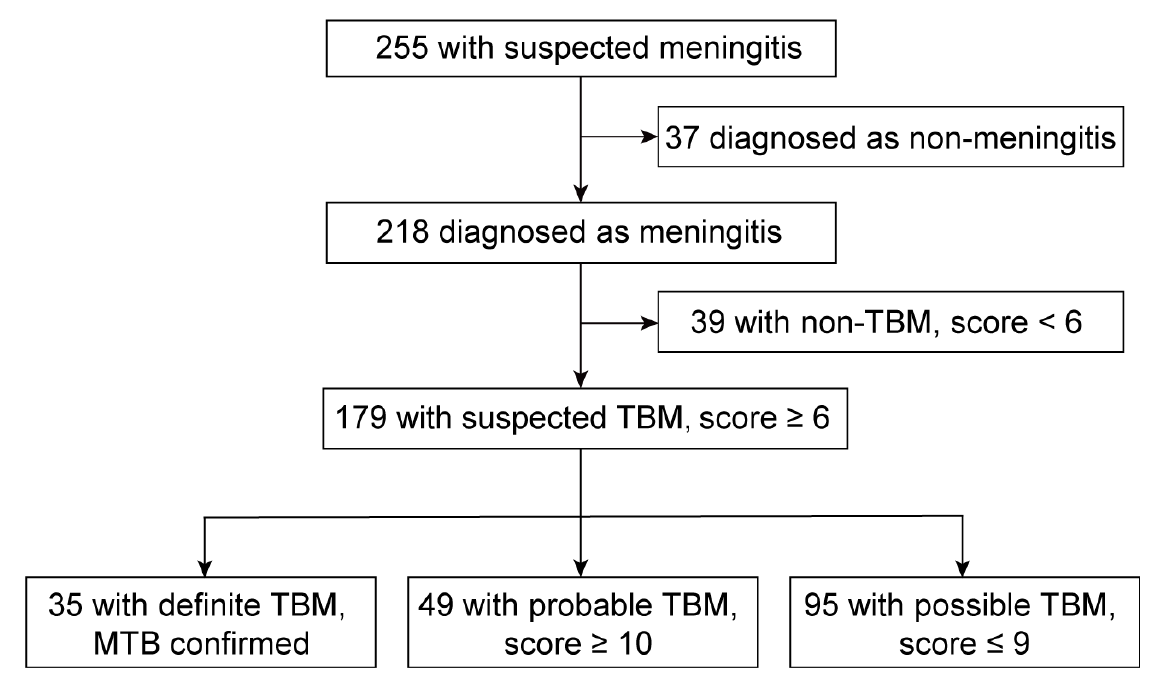
Figure 3. Classification of the 255 patients enrolled with suspected meningitis.
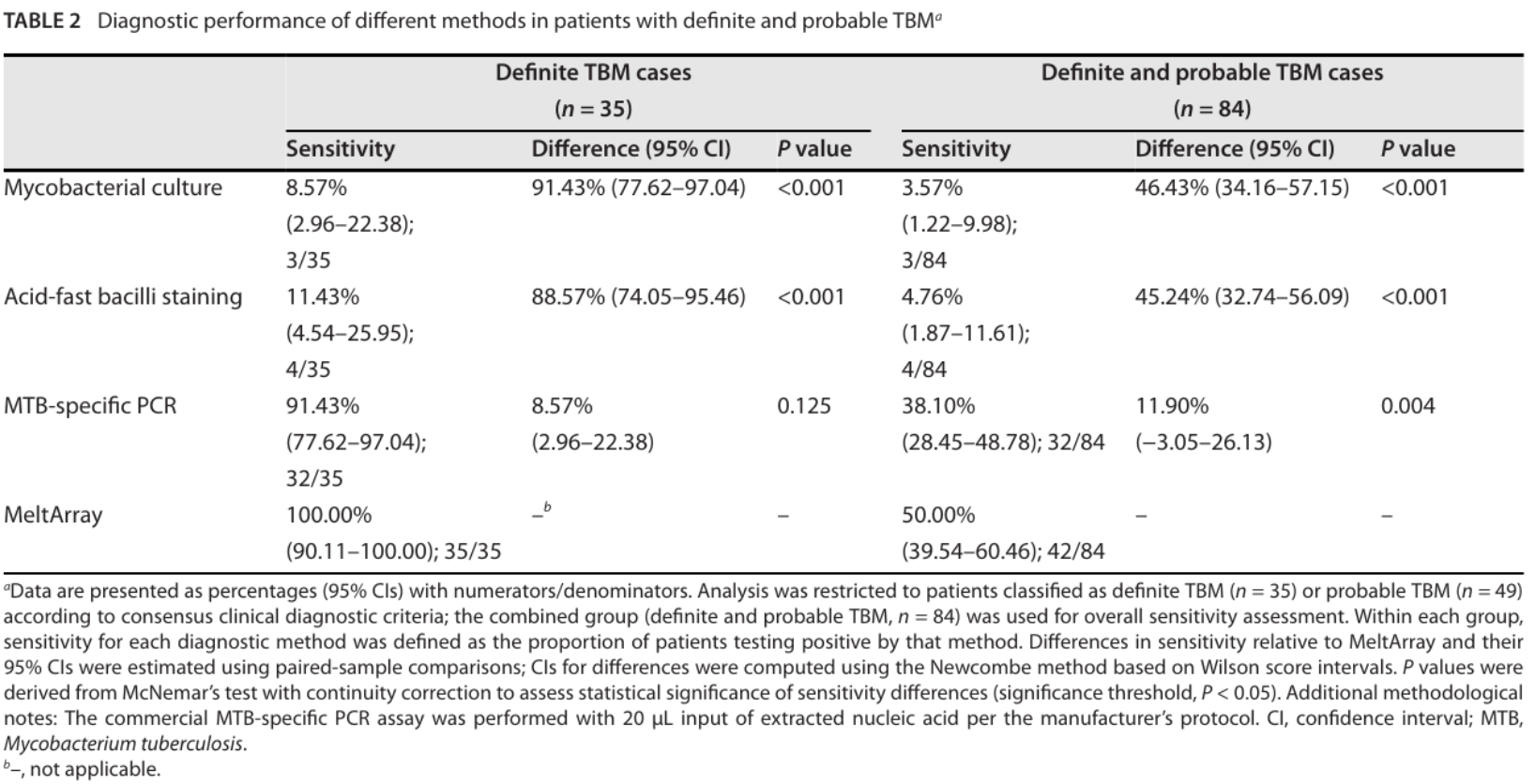
Table 1. Diagnostic performance of different methods in patients with definite and probable TBM
03 Pathogen diversity and co-detections
At least one pathogen was detected in 140 of 218 meningitis cases (64.22%). MTB detection increased across TBM categories: 0/39 in non-TBM meningitis, 7/95 in possible TBM, 7/49 in probable TBM, and 35/35 in definite TBM. Among 49 MTB-positive TBM cases, 21 (42.86%) had additional pathogen detections. These molecular co-detections do not by themselves establish active co-infection, particularly for viral findings, and require interpretation alongside clinical information.
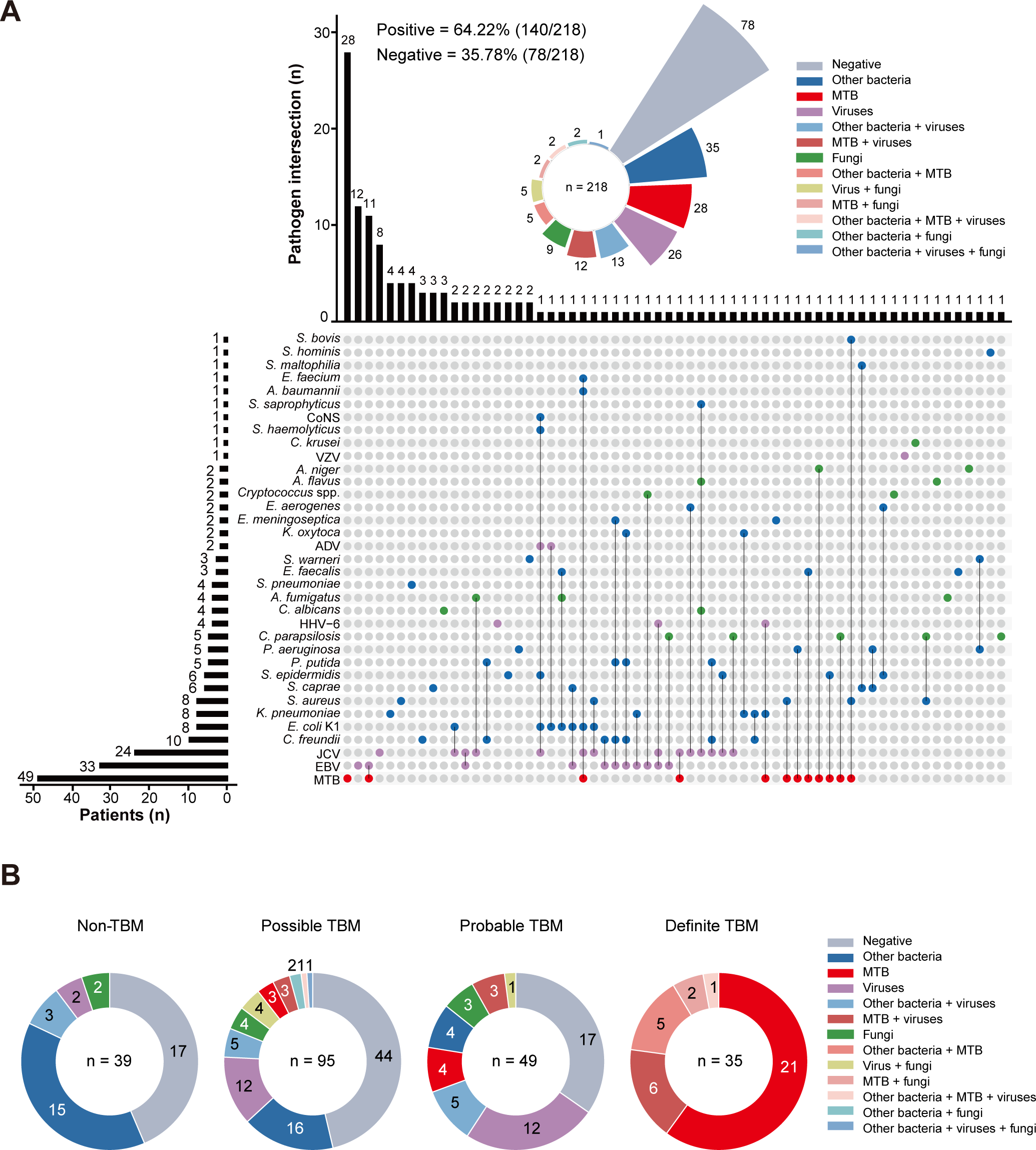
Figure 4. Pathogen detection and co-detection patterns among patients with suspected meningitis.
04 Exploratory biomarker models
A model combining CSF protein, leukocyte count, and serum C-reactive protein (CRP) distinguished infectious meningitis from noninfectious mimics with a test-set AUC of 0.877 (95% CI, 0.760–0.994). A second model combining leukocyte count, chloride, and CRP distinguished MTB-positive from MTB-negative cases with a test-set AUC of 0.776 (95% CI, 0.617–0.934). These models are exploratory and require external validation before clinical use.
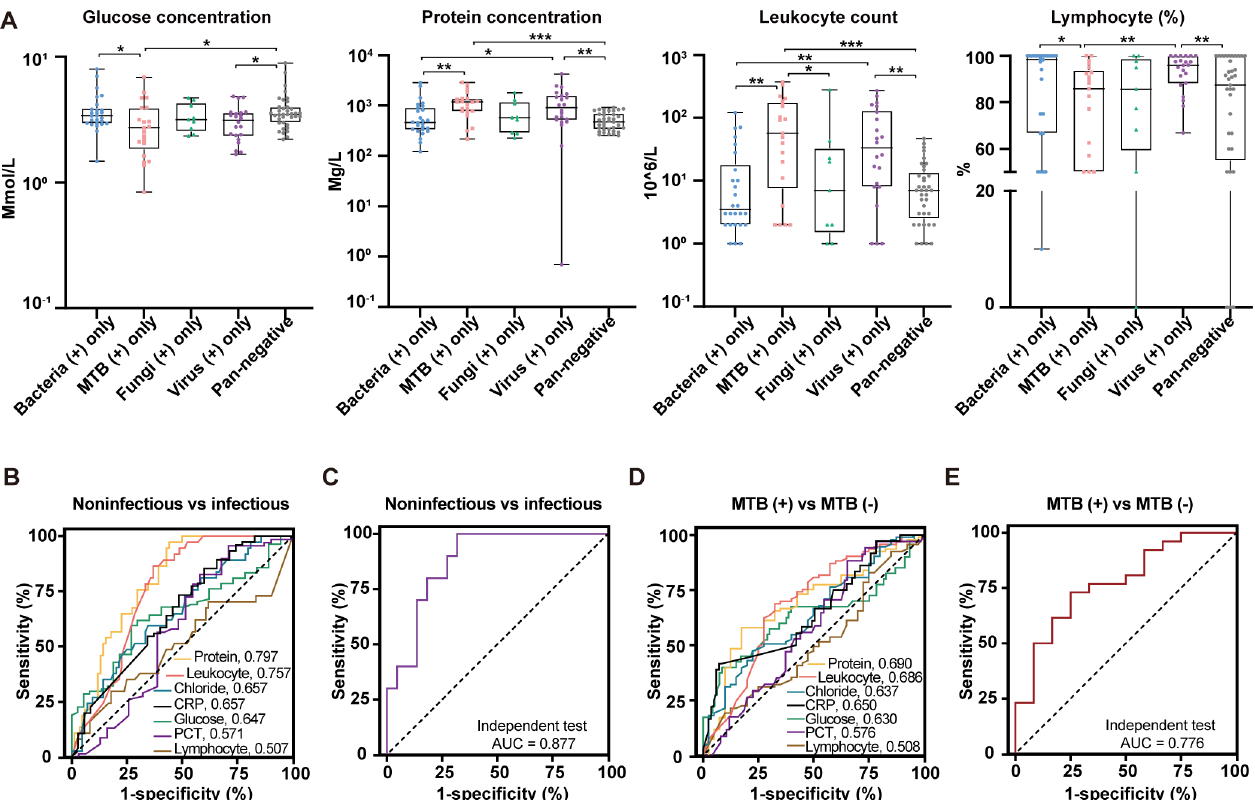
Figure 5. CSF and serum biomarker distributions and model performance.
The comparison showed distinct detection profiles: MeltArray produced more confirmed detections within its predefined target panel, while mNGS identified viruses outside that panel. In this study, mNGS libraries were sequenced on the CYGNUS GS100. The prospective evaluation was conducted at a single center, and broader validation is needed to assess how well the findings generalize to other clinical settings.
Read the full paper: https://journals.asm.org/doi/10.1128/jcm.00446-26?url_ver=Z39.88-2003&rfr_id=ori:rid:crossref.org&rfr_dat=cr_pub%20%200pubmed